
Makati Beyond the Surface
By Glenice Grace Cosue
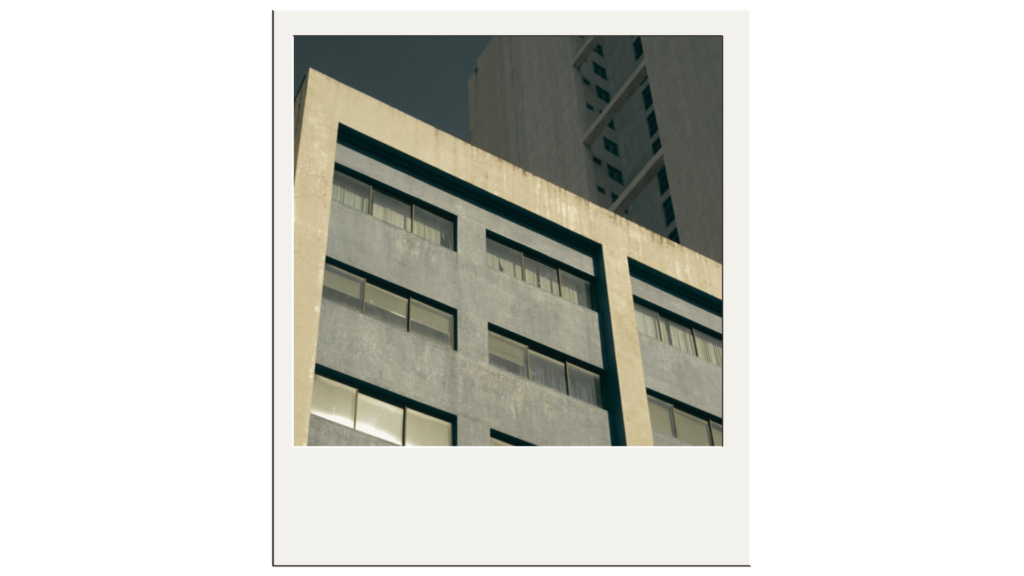
Makati is a concrete jungle. We see that there are glass skyscrapers that dominate the skyline, office workers that fill the sidewalks and shopping malls that are packed together. Often regarded as one of the Philippines’ leading financial and commercial centers, Makati becomes more complex when understood not merely as a business district but as a city where multiple spaces intersect. Corporate offices stand alongside condominiums, malls connect with landscaped areas, and residential communities located only a few streets away from business headquarters. I’m truly awestruck with its urban setting — how it seems to have a function for anyone.
Commercial Makati
Situated within Metro Manila, Makati covers approximately 18.17 square kilometers. Its location places it near several important urban centers—Manila, Pasay, Mandaluyong and Taguig, allowing it to remain close with the wider metropolitan area. Yet Makati’s significance does not depend on its size. Within its relatively limited territory are spaces designed for different purposes. Traveling across the city can involve moving between buildings, streets, condominiums and neighborhoods. The magic lies in its short distance from one another.
Makati’s commercial center is arguably one of its most recognizable features. From the get-go, we’re greeted by the colossal buildings of shopping centers such as Ayala’s Greenbelt and Glorietta. SM City Makati further adds to this commerciality, offering visitors the convenience and variety that have come to define the city’s fast-paced retail environment.
Commerce in Makati, however, is not limited to these tycoon-owned spaces. We’re witnesses to weekend markets, lining up the streets of Salcedo and Legazpi for local entrepreneurship. One TikTok search would give you a variety of options to maximize your visit for these weekend markets. There are flowers sold by its stems, food cooked as you order, and crafts made by local artisans. You’re immersed into a never-ending world of wonder. It’s a place to be a part of something larger than yourself—to find community amid the hustle and bustle. As a result, commercial Makati exists with two scenes: a central business district (CBD) and a local commercial scene.
Makati's Reputation
While commerce contributes to Makati’s liveliness, business is what established its reputation. The Makati CBD forms the core of its identity as it becomes filled with corporate headquarters. Ayala Land presents the district as a premier financial center brought by prominent office structures and urban landmarks, while the city government recognizes Makati as one of the country’s major concentrations of commercial activity.
During business hours, the district functions as a self-contained city. There are office workers in their towers who await for the clock to strike five. There are restaurants and cafes in their streets which accommodate people for places to dine or to “lock in.” I find that the skyscrapers we see in this city goes far beyond its architectural height, rather they reflect the economic purpose that has influenced the development of much of the city.
Residential Makati
Makati’s character challenges the CBD identity, especially with the presence of residential areas interspersed within the urban landscape. Condominiums and subdivisions provide a place to call “home,” creating a quieter dimension amid the city’s constant clamor. Given Makati’s sought-after location, “condo hunting” videos increased in number on social media, which reflects how living in the city has become aspirational for many. It’s appealing because it offers a space for recreation activities and everyday necessities. It definitely feels as if a grocery store, gym, café, or a restaurant run is an elevator ride away.
The Green Within the Gray
As I walked through Ayala Triangle as a first-timer, I found the contradiction between dense concrete buildings and garden areas to be an awestrucking experience. I thought about how Taft never delivered anything close to this feeling.
So as I wandered through the area more, each step delivered a paradise-like atmosphere. I was seeing office workers stepping out of their buildings, walking around in the open, and unwinding from the tensions gained at work. I was seeing Makati-goers in picnic blankets, enjoying their food and good company. I was seeing a Philippines reimagined in Makati’s juxtaposition. From that encounter alone, I’ve learned that urban life is not enclosed within concrete productivity, rather one rooted in its offering that Makati balances seamlessly.
Connecting the Dots
When we look back on Makati as a whole, we see that its identity cannot be reduced to the image of a business district. At least not in its entirety. Its commercial areas encourage consumption and local enterprise. Its CBD represents the city’s financial importance. Its residential neighborhoods pave the way for the mundane, everyday life of people, while its parks yield connection and rest. These functions are not necessarily isolated from one another. Altogether, we find that while Makati is a concrete jungle, it’s also a marketplace, neighborhood, and a safe space. Its most compelling quality is the way these different identities coexist — often within the same few blocks.
Reference

Musings in Makati
Tales found between the skyscrapers, side streets, and slow walks.
The Muse Team
Glenice Cosue
Jewel Reyes
Trisha Tuviera
Connect with us
Keep wandering. Keep noticing. Keep musing.