
Philippine Maxxing
By Jewel Grace Reyes
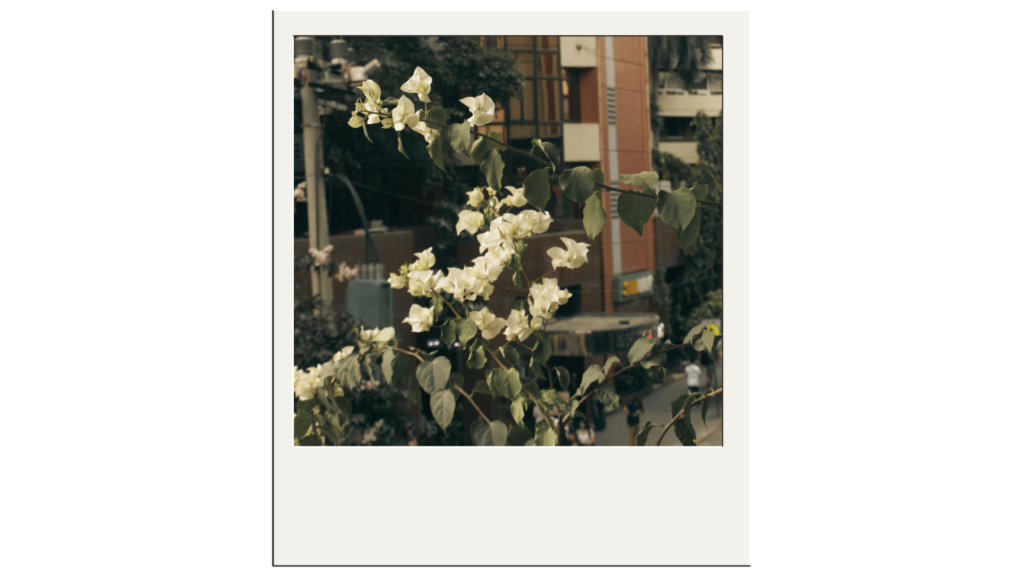
Makati Maxxing isn’t just a trend that popped out of nowhere.
It is a manifestation of Filipinos' need for more walkable, accessible and liveable cities. One where you can commute without hassle, easily access establishments, walk safely from one place to another and exist freely in spaces that allow you to linger, without forcing you to spend money on entertainment.
Makati seems like a dream.
In a tumultuous world where corruption, inflation and climate change are rampant, the city of Makati stands as a testament to the hope for the Philippines. It shows the country’s capacity to become more than just the scraps we depend on to survive day by day — a place where life can feel like living, not just surviving.
Green Spaces and Communities
Makati is known for its bustling events, from daytime markets to nightlife. If there’s one thing we all have in common, it’s that we all crave a sense of community, and Makati offers just that.
The city brims with venues for conversation and interaction, which can be easily accessed without the hassle of spending. From parks to museums, Makati holds a special community just for you.
This is a charm that not many cities in the Philippines can offer. Some barriers often hinder people from discovering or joining the open communities the country offers, and most likely it is centered around consuming, not existing. The cost of community shouldn’t be high when all one needs is a space to take a step back, relax and converse.
In this socioeconomic state, our forms of community are built around malls. But not everyone has the time or resources to fully maximize their stay in malls. Sometimes, people crave the simplicity of going out without having to worry about finances.
Which is why conversations on green spaces in the Philippines are often revisited as more and more Filipinos explore foreign countries and begin to realize their importance in society.
Social media personality Mimiyuh made a post on Instagram sharing her sentiments about parks in the Philippines.
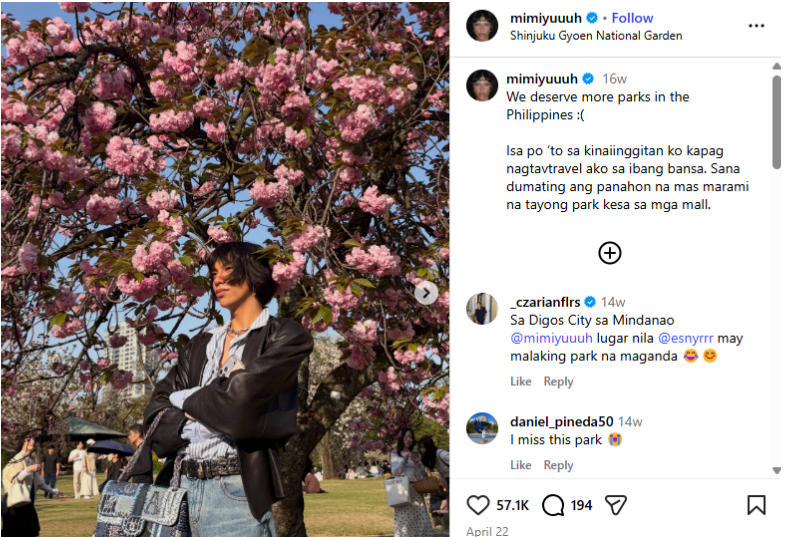
Many Filipinos commented under the post agreeing with her sentiments and sharing their own experiences. This highlights that the desire for green spaces exists, and the people deserve to feel community with little expense.
Urban Planning
A walkable city is a liveable city. Makati hits the mark when it comes to accessibility because of its people-centric urban planning. While the city features convenient sidewalks, underground routes and connected bridges, it still sits in a country where most Filipinos find commuting daunting.
Living in a third-world country like the Philippines, the tough economy is hard enough as it is. With the addition of a hellish commute and unsafe pedestrian infrastructure, people are forced to normalize a life in survival mode. But life should be more than just survival.
Makati fulfills the general needs of a city with good urban planning. Benoy.com lists 10 principles for successful urban design. Makati closely aligns with these urban design principles through its commitment to commercial and residential integration, inclusive accommodation, and minimizing environmental impact. The city blends different lives and experiences while still functioning as its own entity. Its human-centric design and people-focused approach adhere to urban design’s people-first mentality. The article suggests that the landscapes and infrastructure should be accessible to the end-users.
Makati also successfully provides what the article calls the public realm or open space. It emphasizes the need for building structures with regard for the space around them. Open space is vital in an urban environment since it provides opportunities for leisure and relaxation. This promotes one’s mental well-being. Further, it ties back to the commitment to minimizing environmental harm by helping mitigate pollution.
With the growing spotlight on the corruption scandals behind many Philippine infrastructures, there is an important conversation we must address: The Philippines needs proper urban planning that is built around the needs of the people, not companies.
The Possibility of Philippine Maxxing
Makati serves as a benchmark for cities in the Philippines. Its commitment to include everyone is a feat that shows great promise for the country.
When we look at the trend of Makati Maxxing, its essence is to immerse ourselves in the city by romanticizing life — an experience that is only possible in an environment that allows it.
This trend is part of a bigger picture, carrying an underlying message that many fail to see: the possibility of “Maxxing” the Philippines as a whole.
It is no surprise that Filipinos crave change — a better life, better systems and a better environment. With Makati as living proof of the effects of people-centered urban planning, this dream starts becoming a reality. Prioritizing proper urban planning is key to a functioning society — a society that allows people to live and breathe.
If the rest of the country can learn from what Makati does best, then maybe it is possible to maximize everywhere.
Reference

Musings in Makati
Tales found between the skyscrapers, side streets, and slow walks.
The Muse Team
Glenice Cosue
Jewel Reyes
Trisha Tuviera
Connect with us
Keep wandering. Keep noticing. Keep musing.